
Shirobasti Therapy in Ayurveda: Benefits, Procedure, and Healing Power for Mind & Body
Shirobasti is one of the most effective Ayurvedic therapies for mental health and head-related disorders. In today’s fast-paced world, stress, migraines, and insomnia have become common problems. Unlike modern medicine, which often focuses on symptom management, Ayurveda provides holistic solutions. Shirobasti, a specialized oil therapy, works by deeply nourishing the brain and calming the nervous system. Warm medicated oils are gently retained on the head inside a specially designed cap, allowing the therapeutic properties to penetrate through the scalp. This not only promotes relaxation but also supports neurological health, improves sleep, and strengthens hair roots.
What is Shirobasti?
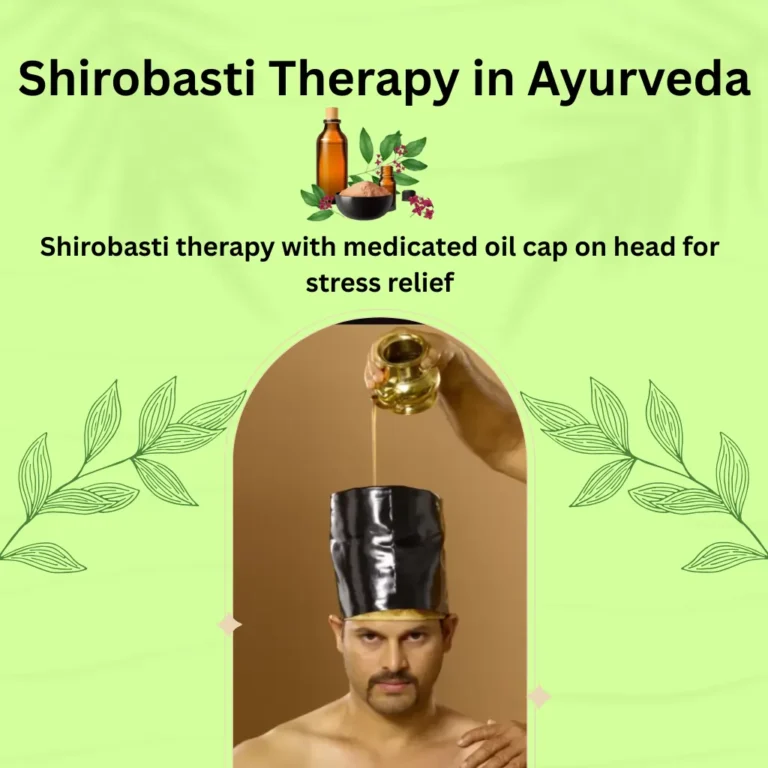
Shirobasti is a highly specialized Ayurvedic therapy that involves retaining warm, medicated herbal oil on the head for a specific period. The term comes from two Sanskrit words: “Shiro”, meaning head, and “Basti”, meaning to hold or contain. Unlike regular oil massages, Shirobasti uses a unique technique where a specially designed cap (made of leather or dough) is fitted around the head to create a leak-proof chamber. This chamber is then filled with warm, medicated oil, which is kept on the scalp for 30 to 60 minutes under expert supervision.
The therapy is part of Panchakarma, a core detoxification and rejuvenation system in Ayurveda. Shirobasti is primarily recommended for disorders of the nervous system, scalp, and sense organs, as it nourishes the brain cells, strengthens the nerves, and balances the Vata and Pitta doshas—the two main bio-energies responsible for most head and nervous system-related issues.
Why is Shirobasti Different from Other Therapies?
Unlike common head massages or oil applications, Shirobasti allows continuous and prolonged contact of medicated oil with the scalp. This enhances the absorption of the herbal properties through hair follicles and cranial tissues, leading to:
-
Deep relaxation of the mind and body
-
Improved blood circulation to the brain
-
Detoxification of toxins from head region
-
Enhanced nourishment for scalp and hair
Historical and Textual Background
Shirobasti is mentioned in classical Ayurvedic texts such as Charaka Samhita and Ashtanga Hridaya, where it is recommended for conditions like Ardhavabhedaka (migraine), Pakshaghata (paralysis), and Insomnia. It was traditionally performed using oils like:
-
Brahmi Taila – for calming the mind
-
Ksheerabala Taila – for neurological strength
-
Chandanbala Lakshadi Taila – for cooling and soothing effect
How Does Shirobasti Work?
Shirobasti is a deeply therapeutic Ayurvedic procedure that works on the head, brain, and nervous system by utilizing the healing properties of warm medicated oils. In Ayurveda, the head is considered the seat of Prana (life force) and the control center for all sensory and motor functions. This is why maintaining its health is crucial for mental and physical balance.
The process of retaining warm oil on the scalp for a prolonged period influences the body on both physiological and neurological levels:
1. Activation of Marma Points and Nerve Endings
The scalp is rich in Marma points (vital energy centers) and thousands of nerve endings connected to the central nervous system. The gentle heat and herbal oils stimulate these points, calming the nervous system and reducing stress hormones like cortisol.
2. Enhanced Transdermal Absorption
Warm oils increase the permeability of the scalp’s skin layers, enabling transdermal absorption of active compounds such as alkaloids, antioxidants, and fatty acids present in herbal formulations like Brahmi, Bala, and Ksheerabala oils. These compounds have neuroprotective and anti-inflammatory properties, supporting nerve health and reducing oxidative stress.
3. Improved Cerebral Blood Flow
Research shows that oil retention therapies combined with gentle heat enhance microcirculation in cranial tissues (Source: Journal of Ayurveda and Integrative Medicine). This improved blood flow provides better oxygen and nutrient delivery to brain cells, promoting mental clarity, memory retention, and overall cognitive function.
4. Regulation of Stress Response
Modern studies highlight that Abhyanga (oil application) and similar therapies lower sympathetic nervous system activity (the “fight or flight” response) while activating the parasympathetic system (the “rest and digest” mode). This results in deep relaxation, improved sleep quality, and mood stabilization.
5. Dosha Balance and Hormonal Stability
From an Ayurvedic perspective, Shirobasti primarily targets Vata (responsible for movement and nervous activity) and Pitta (responsible for heat and metabolism). By pacifying these doshas, the therapy restores equilibrium, which indirectly supports hormonal regulation, mood balance, and neurological health.
Scientific Support
-
A clinical review published in the Journal of Ayurveda and Integrative Medicine confirms that Shirodhara and Shirobasti therapies reduce anxiety, insomnia, and psychosomatic disorders through modulation of the HPA axis (Hypothalamic-Pituitary-Adrenal axis).
-
Another study on Ayurvedic oil therapies indicates significant improvement in cognitive performance and stress resilience after regular head oil retention treatments.
Source: Indian Journal of Traditional Knowledge.
Key Benefits of Shirobasti
Ayurvedic scriptures like Charaka Samhita and modern clinical studies confirm that Shirobasti offers a holistic range of physical, mental, and neurological benefits. This therapy works by balancing Vata and Pitta doshas, calming the nervous system, and nourishing the scalp tissues. Below are the most significant benefits of Shirobasti:
1. Relieves Stress and Anxiety
Stress is one of the most common triggers of lifestyle disorders today. Shirobasti helps by:
-
Reducing cortisol (stress hormone) levels
-
Activating the parasympathetic nervous system, promoting relaxation
-
Easing symptoms of anxiety, irritability, and mental fatigue
Research Insight: A study published in the Journal of Ayurveda and Integrative Medicine reported that head oil therapies like Shirobasti significantly reduce stress markers and improve mood stability.
2. Effective for Migraine and Chronic Headaches
Migraines and tension headaches are often linked to Vata imbalance and nerve hyperactivity. Shirobasti provides:
-
Relief from persistent headaches by improving cerebral circulation
-
A natural alternative for those seeking non-pharmaceutical solutions for migraine pain
-
Support for vascular and neurological balance in the head region
3. Improves Sleep Quality
Insomnia and disturbed sleep patterns are common in today’s fast-paced lifestyle. Shirobasti:
-
Induces deep, restful sleep
-
Reduces overactive neural responses that cause sleep disturbances
-
Helps people with chronic insomnia and related anxiety
4. Promotes Hair Growth and Scalp Health
By improving circulation and nourishing scalp tissues, Shirobasti:
-
Strengthens hair follicles, reducing hair fall
-
Prevents dandruff and dryness
-
Slows premature graying
-
Encourages thicker, healthier hair naturally
5. Neurological and Cognitive Benefits
Shirobasti is widely used in Ayurveda for managing neurological disorders. It supports:
-
Facial palsy and paralysis recovery
-
Relief from cervical spondylosis
-
Better speech clarity in speech disorders
-
Enhanced memory, concentration, and cognitive performance
Did You Know? Oils like Brahmi Taila and Ksheerabala Taila used in Shirobasti are known for their neuroprotective properties and are recommended for people with memory decline and age-related cognitive issues.
Step-by-Step Shirobasti Procedure
A Shirobasti session follows a structured Ayurvedic approach under expert supervision. Each step focuses on maximizing therapeutic benefits while ensuring patient comfort and safety. Here’s how the process unfolds:
1. Preparation Stage
-
The practitioner begins with a brief consultation to determine your Prakriti (body constitution) and dosha imbalance.
-
You sit comfortably in an upright position.
-
The practitioner places a specially designed cap—made from soft leather or thick herbal dough—securely on your head to create a leak-proof chamber.
-
They seal the cap edges properly to prevent oil leakage and maintain the desired temperature.
2. Selection of Medicated Oils
-
The practitioner selects the most suitable Ayurvedic oil based on your condition and dosha assessment:
-
Brahmi Taila → Calms the mind and improves concentration.
-
Ksheerabala Taila → Nourishes nerves and supports neurological health.
-
Chandanbala Lakshadi Taila → Provides cooling and soothing relief for Pitta imbalance.
-
-
They gently warm the oil to a lukewarm temperature for comfort and better absorption.
3. Oil Retention Process
-
The practitioner slowly pours warm oil into the cap until it fills to the prescribed level, covering your scalp completely.
-
You retain the oil for 30 to 60 minutes under continuous supervision.
-
During this time, the herbal oil penetrates through hair follicles, delivering active compounds that relax the nervous system, improve circulation, and balance doshas.
4. Post-Treatment Care
-
After the retention period, the practitioner carefully drains the oil from the cap.
-
They perform a gentle head and shoulder massage to improve blood flow and help your body absorb the remaining oil.
-
You rest for some time, then take a warm herbal water bath to remove excess oil without disturbing its therapeutic benefits.
Recommended Course
Practitioners usually recommend Shirobasti daily for 7 to 14 days, depending on the severity of your condition.
Oils Commonly Used in Shirobasti
The effectiveness of Shirobasti depends on choosing the right medicated oil. Practitioners select oils based on your dosha imbalance and health needs. These oils contain herbs that support nerve health and calm the mind.
1. Brahmi Taila
-
Key Ingredient: Brahmi (Bacopa monnieri)
-
Benefits:
-
Improves mental clarity and concentration
-
Reduces stress, anxiety, and restlessness
-
Supports memory and cognitive function
-
-
Ayurvedic Perspective: Ayurveda recognizes Brahmi as a Medhya Rasayana (brain tonic), making it perfect for neurological and psychological issues.
2. Ksheerabala Taila
-
Key Ingredients: Bala (Sida cordifolia), milk, sesame oil
-
Benefits:
-
Strengthens the nervous system
-
Relieves headaches and migraines
-
Helps with insomnia, facial palsy, and spondylosis
-
-
Ayurvedic Perspective: Practitioners traditionally use Ksheerabala for Vata disorders because it soothes and nourishes nerves and muscles.
3. Chandanbala Lakshadi Taila
-
Key Ingredients: Sandalwood (Chandana), Bala, Laksha
-
Benefits:
-
Cools and soothes the head
-
Reduces inflammation and burning sensations
-
Balances Pitta dosha, preventing excess heat
-
-
Ayurvedic Perspective: This oil works well for Pitta-dominant conditions, especially when irritation and scalp inflammation occur.
Other Oils Practitioners Use
-
Mahabhringraj Taila: Boosts hair growth and strengthens follicles
-
Anu Taila: Supports sinus and respiratory health
-
Jatamansi Oil: Calms the mind and relieves stress
Pro Tip: Always let a qualified Ayurvedic practitioner select the oil for your treatment after analyzing your Prakriti (body constitution) and current health condition.
Who Should Take Shirobasti?
Shirobasti therapy is recommended for individuals experiencing head-related, neurological, and stress-induced disorders. It is a holistic solution for those looking to manage chronic issues naturally, without dependency on chemical-based medications. According to Ayurveda, Shirobasti is especially useful for conditions caused by Vata and Pitta imbalances, which often manifest as headaches, anxiety, and nervous system disorders.
Ideal Candidates for Shirobasti Include:
-
People with Chronic Headaches and Migraines
Shirobasti improves blood circulation to the brain, reduces vascular constriction, and relieves stress-induced headaches. It’s highly beneficial for those suffering from frequent migraines or tension headaches. -
Individuals with Insomnia and Sleep Disorders
If you struggle with poor sleep, restlessness, or sleep anxiety, Shirobasti can help by calming the nervous system and inducing natural, deep sleep. -
People Facing Stress, Anxiety, or Depression
The warm medicated oils used in Shirobasti help lower cortisol levels, relax the mind, and improve emotional well-being. -
Those with Hair and Scalp Issues
This therapy nourishes the scalp, strengthens hair roots, and prevents issues like thinning hair, dandruff, and premature graying. -
Patients with Neurological Disorders
It is used in Ayurveda to support recovery from:-
Facial paralysis
-
Cervical spondylosis
-
Speech disorders
-
Memory loss and cognitive decline
-
Important Note: Shirobasti is not just a treatment but also a preventive therapy for people under high mental or emotional stress. It is widely recommended for corporate professionals, students, and elderly individuals facing age-related neurological concerns.
Precautions and Contraindications of Shirobasti
Always perform Shirobasti under the supervision of a qualified Ayurvedic physician to ensure safety and effectiveness.
Incorrect procedure or selection of oil can lead to discomfort or adverse reactions. Here are some essential precautions:
Precautions Before and During Shirobasti
-
Ensure that the therapy is conducted in a calm, hygienic, and temperature-controlled environment.
-
The oil temperature should be lukewarm—neither too hot nor too cold—to avoid scalp burns or discomfort.
-
The duration of oil retention should be tailored based on the patient’s age, dosha, and health condition.
-
The patient should avoid exposure to cold air, wind, or immediate washing with cold water after the session.
Contraindications: Who Should Avoid Shirobasti?
Shirobasti is not recommended for individuals with:
-
Fever or Active Infections – Performing this therapy during fever or infections can worsen symptoms.
-
Severe Scalp Injuries or Open Wounds – Oil retention can increase the risk of irritation or infection.
-
Eye or Ear Infections – The proximity of oil may aggravate these conditions.
-
Pregnancy (without medical advice) – It should be done only after consulting an Ayurvedic expert.
-
Very young children or extremely weak patients unless specifically prescribed.
Shirobasti in Modern Lifestyle
Today’s fast-paced lifestyle, filled with corporate stress, digital fatigue, and mental burnout, has made Ayurvedic therapies like Shirobasti more relevant than ever. Unlike quick-fix solutions, Shirobasti addresses the root causes of stress and neurological disorders, offering a natural and holistic way to rejuvenate the mind and body.
Modern wellness centers, spas, and Ayurvedic retreats have integrated Shirobasti into their stress management programs, making it a popular choice for:
-
Corporate professionals experiencing chronic stress
-
Students dealing with academic pressure
-
Elderly individuals managing age-related neurological issues
-
Anyone seeking natural mental relaxation and better sleep
Key Insight: Shirobasti is not just a treatment but a preventive care therapy. Regular sessions can help maintain emotional stability, scalp health, and overall mental well-being.
Final Thoughts
Shirobasti is more than just a relaxation therapy—it’s a complete solution for mental stress, neurological health, and scalp nourishment. If you are struggling with migraines, stress, or insomnia, consult an Ayurvedic expert and experience the calming benefits of this ancient therapy.
FAQs
Usually 30–60 minutes per session, repeated over 7–14 days as prescribed.
Yes, it is one of the best Ayurvedic therapies for migraine relief.
Yes, Shirobasti nourishes the scalp and strengthens hair roots.
Typically 7–14 sessions, depending on the condition.
No major side effects if performed by a professional.
➡ Ready to experience the healing power of Shirobasti? Book your consultation with Devkalp Ayurveda today!
Also Read: Shirobasti


