
Jaundice Treatment in Ayurveda: Holistic Healing for Liver Health
Introduction: Understanding Jaundice the Ayurvedic Way
Jaundice treatment in Ayurveda offers a holistic approach that not only reduces elevated bilirubin levels but also restores the balance of the doshas—especially Pitta, which governs the liver and blood. Jaundice, referred to as Kamala in classical Ayurvedic texts, is a condition marked by yellowing of the skin, eyes, and urine due to improper metabolism and liver dysfunction.
While modern medicine treats jaundice symptomatically with medication and supportive care, Ayurveda emphasizes root-cause healing through herbal remedies, internal detoxification, dietary control, and lifestyle modifications. Let’s explore how Ayurvedic principles can offer natural, effective, and long-term relief from jaundice.
What is Jaundice? Causes and Symptoms
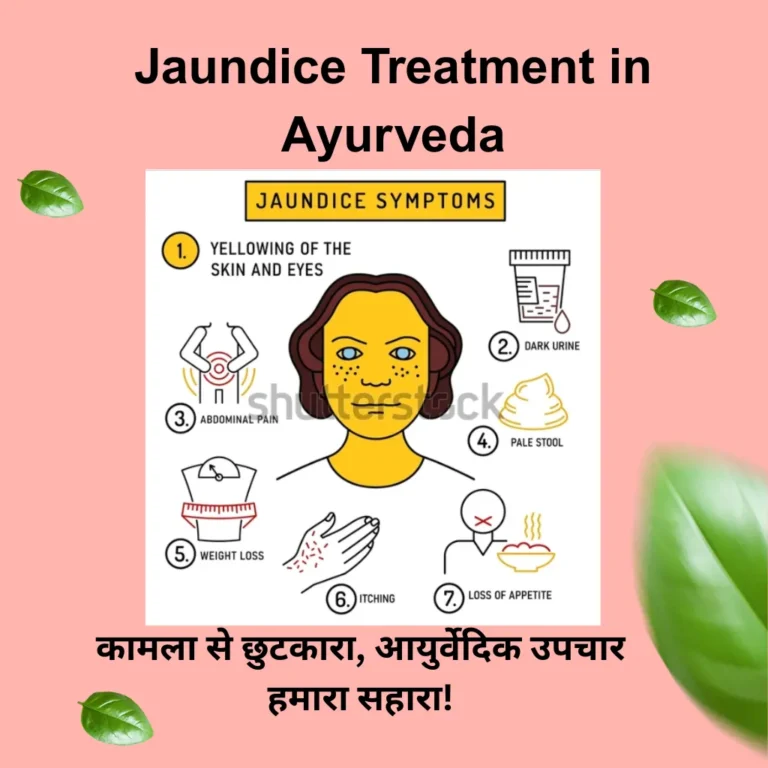
Jaundice results from an excess buildup of bilirubin, a yellow pigment formed during the natural breakdown of red blood cells. When the liver cannot process bilirubin efficiently—due to infection, blockage, or liver damage—it leaks into the bloodstream, causing a yellow tint to appear on the skin and eyes.
Common Symptoms:
-
Yellowing of skin, nails, and the whites of the eyes
-
Dark urine and pale-colored stools
-
Loss of appetite
-
Nausea or vomiting
-
Fatigue and weakness
-
Mild to moderate abdominal pain
-
Fever and itching (in some cases)
Ayurvedic Understanding: What Causes Jaundice (Kamala)?
According to Ayurveda, jaundice is primarily caused by an aggravated Pitta dosha that disrupts the normal functioning of the Yakrit (liver) and Rakta dhatu (blood tissue). The condition arises due to the accumulation of Ama (toxins) and disturbed digestion, which then affect bile flow and blood purification.
Common Ayurvedic Causes:
-
Excess intake of spicy, oily, or fermented foods
-
Alcohol consumption
-
Viral infections like hepatitis
-
Chronic constipation or indigestion
-
Mental stress, anger, or exposure to heat
-
Long-standing anemia or liver overload
Types of Kamala (Jaundice) in Ayurveda
Ancient texts divide jaundice into multiple types based on the site and progression of dosha imbalance:
-
Koshtashrita Kamala – Originates in the gastrointestinal tract. Characterized by yellow stools and urine, loss of appetite, and indigestion.
-
Shakhashrita Kamala – Occurs when Pitta spreads to the extremities. Seen in chronic anemia cases where pallor turns into yellowness.
-
Halīmaka – A mixed disorder of Pitta and Kapha, characterized by dark complexion, fatigue, and confusion.
-
Kumbha Kamala – A neglected or severe form of Kamala. Often a complication of liver cirrhosis.
-
Pandu-Janya Kamala – Jaundice resulting from long-standing anemia.
Jaundice Treatment in Ayurveda: Step-by-Step Protocol
Ayurveda focuses on three stages of healing:
-
Elimination of toxins (Ama)
-
Balance of Pitta dosha
-
Rejuvenation of liver tissues
1. Deepana and Pachana (Digestive Fire Activation)
In the initial stage, the goal is to stimulate digestion and eliminate undigested toxins.
Herbs and Formulations:
-
Trikatu Churna – Enhances Agni (digestive fire)
-
Hingwashtak Churna – Relieves gas and bloating
-
Guduchi Satva – Promotes immunity and balances Pitta
2. Shodhana (Panchakarma Detox Therapies)
When Pitta and Ama are excessive, Panchakarma therapies are recommended.
Main Procedures:
-
Virechana (Purgation): Removes excess Pitta from the small intestine and liver. Commonly used herbs include Trivrit, Avipattikar Churna, and Castor Oil.
-
Basti (Enema): Medicated enemas are used in chronic cases with Kapha or Vata involvement.
-
Takra Dhara or Abhyanga: Supportive therapies to relax and strengthen the system.
These therapies should only be conducted under the supervision of a qualified Ayurvedic physician.
3. Rasayana Chikitsa (Liver Rejuvenation)
After cleansing, herbs are given to regenerate liver cells, balance metabolism, and prevent recurrence.
Most Effective Ayurvedic Herbs:
| Herb | Action |
|---|---|
| Bhumyamalaki (Phyllanthus niruri) | Antiviral, reduces bilirubin, protects liver |
| Kalmegh (Andrographis paniculata) | Hepato-protective and anti-inflammatory |
| Kutki (Picrorhiza kurroa) | Stimulates bile production, cleanses liver |
| Giloy (Tinospora cordifolia) | Immunity booster and Pitta pacifier |
| Punarnava (Boerhavia diffusa) | Reduces liver swelling and fluid retention |
| Sharpunkha (Tephrosia purpurea) | Treats fatty liver and bile disorders |
| Triphala | Enhances digestion and supports detox |
| Haridra (Turmeric) | Anti-inflammatory and antioxidant effects |
Dietary Guidelines for Jaundice in Ayurveda
Diet is a cornerstone of liver healing. Ayurveda recommends a Pitta-pacifying diet that is easy to digest and cooling in nature.
Foods to Include:
-
Moong dal and rice khichdi
-
Boiled or steamed vegetables (bottle gourd, ridge gourd)
-
Coconut water and sugarcane juice (fresh and clean)
-
Pomegranate and apple juice
-
Warm turmeric water
-
Barley water
Foods to Avoid:
-
Fried, oily, spicy, or heavy meals
-
Fermented items (curd, pickles, vinegar)
-
Non-vegetarian food
-
Excess salt, sour fruits like tamarind
-
Alcohol and processed food
Lifestyle Tips for Liver Health
-
Get adequate rest; avoid overexertion
-
Avoid anger, stress, and excessive sun exposure
-
Stay hydrated with warm water
-
Use mud packs on the abdomen to cool the liver
-
Start mild pranayama and meditation once recovery begins
-
Go to bed before 10 PM to align with the liver’s detox time
Recovery Time in Ayurveda
With Ayurvedic management, mild jaundice usually resolves in 2 to 3 weeks. More severe or chronic cases may take 1 to 3 months for complete recovery and liver regeneration.
When to Consult an Ayurvedic Doctor
Seek Ayurvedic medical care if:
-
You have persistent yellowing for more than two weeks
-
You experience intense fatigue or loss of appetite
-
Bilirubin levels are continuously rising
-
You have underlying liver disease or hepatitis
-
You are pregnant or treating a newborn for jaundice
FAQs on Jaundice Treatment in Ayurveda
Yes. Ayurveda treats the root cause and strengthens the liver, reducing the chance of recurrence.
Yes. Turmeric is anti-inflammatory and promotes liver cell regeneration.
Yes. Panchakarma therapies like Virechana and Basti are effective for deep detox and rejuvenation.
Yes. In moderate amounts, fresh sugarcane juice supports liver function but must be taken in hygienic conditions.
Yes, but only under the care of a trained Ayurvedic pediatrician.
Conclusion: Reclaim Liver Health Through Ayurveda
Jaundice treatment in Ayurveda goes far beyond temporary relief. By targeting the root imbalance of Pitta dosha, eliminating toxins, and nourishing liver cells with herbs and natural formulations, Ayurveda provides a sustainable and side-effect-free path to healing.
A balanced lifestyle, sattvic diet, and herbal detox can restore liver strength, improve digestion, and boost your body’s natural immunity. Instead of suppressing symptoms, Ayurveda empowers you to achieve deep, lasting wellness.
Ayurvedic Remedies for Cirrhosis of Liver


