
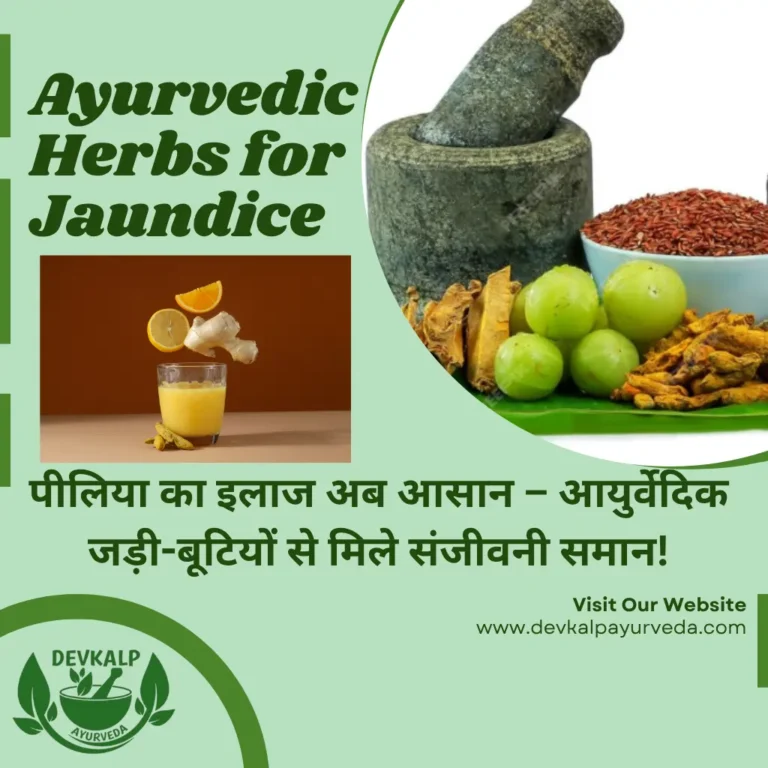
Ayurvedic Herbs for Jaundice: Natural Support for Liver Detox and Healing
Introduction: Why Ayurvedic Herbs Are Vital in Jaundice Recovery
Ayurvedic herbs for jaundice play a crucial role in cleansing the liver, balancing the Pitta dosha, and lowering excess bilirubin levels naturally. In Ayurveda, jaundice is known as Kamala, a condition arising due to Pitta imbalance, poor digestion, and Ama (toxin) accumulation that affects the liver and blood.
While modern medicine relies on symptomatic relief and pharmaceuticals, Ayurveda focuses on long-term healing through herbal formulations, diet, detox, and lifestyle. This post explores the top Ayurvedic herbs for jaundice, how they work, and how to use them safely.
How Ayurveda Views Jaundice (Kamala)
According to Ayurveda, the liver is governed by Pitta dosha, which is responsible for metabolism, blood purification, and bile flow. When Pitta becomes aggravated—due to spicy foods, alcohol, infections, or emotional stress—it leads to liver inflammation and impaired bile metabolism. The result is Kamala, characterized by:
-
Yellow skin, eyes, and urine
-
Loss of appetite
-
Digestive weakness
-
Fatigue
-
Liver pain or swelling
Herbs in Ayurveda are used to pacify Pitta, enhance liver detox, improve digestion (Agni), and promote healthy blood and bile flow.
Top Ayurvedic Herbs for Jaundice and Liver Detox
Below are the most effective and widely used Ayurvedic herbs for treating jaundice. These are time-tested in classical Ayurvedic texts and modern research.
1. Bhumyamalaki (Phyllanthus niruri)
Sanskrit Name: Tamalaki
Part Used: Whole plant
Taste: Bitter, astringent
Effect on Doshas: Balances Pitta and Kapha
Benefits:
-
Potent antiviral and hepatoprotective herb
-
Regenerates liver cells damaged by hepatitis or jaundice
-
Reduces serum bilirubin levels
-
Useful in both acute and chronic liver conditions
How to Use:
-
1 tsp of fresh juice (Swarasa) daily on an empty stomach
-
Bhumyamalaki churna with honey or water
2. Kalmegh (Andrographis paniculata)
Sanskrit Name: Bhunimba
Taste: Bitter (Tikta)
Effect on Doshas: Strongly reduces Pitta and Kapha
Benefits:
-
Powerful liver cleanser and detoxifier
-
Enhances bile secretion and digestion
-
Strengthens immunity and acts as a natural antibiotic
-
Useful in viral hepatitis and chronic jaundice
How to Use:
-
Kalmegh churna with lukewarm water
-
Available as decoction or capsules
3. Kutki (Picrorhiza kurroa)
Sanskrit Name: Katuki
Taste: Bitter, pungent
Effect on Doshas: Pitta-Kapha reducer
Benefits:
-
Stimulates bile secretion and flushes toxins
-
Protects liver cells from inflammation and oxidative stress
-
Works well in jaundice caused by liver sluggishness, fatty liver, or bile duct issues
How to Use:
-
250–500 mg of Kutki powder twice daily with warm water
-
In classical formulations like Arogyavardhini Vati
4. Punarnava (Boerhavia diffusa)
Taste: Bitter, astringent
Effect on Doshas: Balances all three doshas, especially Kapha
Benefits:
-
Diuretic; reduces water retention and swelling in liver/spleen
-
Detoxifies blood and improves hemoglobin
-
Supports liver and kidney function
-
Good for jaundice with swelling or fluid retention
How to Use:
-
Punarnava juice or decoction twice a day
-
Combined with other liver herbs in formulations
5. Giloy (Tinospora cordifolia)
Sanskrit Name: Guduchi
Taste: Bitter
Effect on Doshas: Balances all three doshas
Benefits:
-
Immunomodulator and liver protector
-
Reduces fever, inflammation, and toxins
-
Promotes regeneration of liver tissue
-
Works in both acute viral and chronic jaundice
How to Use:
-
Giloy Satva (extract) with water
-
Decoction (Kashayam) or Giloy tablets
6. Sharpunkha (Tephrosia purpurea)
Taste: Bitter, pungent
Effect on Doshas: Balances Pitta and Kapha
Benefits:
-
Treats enlargement of liver and spleen
-
Promotes bile production
-
Effective in obstructive jaundice and liver cirrhosis
-
Purifies blood and reduces Ama
How to Use:
-
Sharpunkha powder with warm water
-
Often included in liver-specific Ayurvedic syrups
7. Haridra (Turmeric – Curcuma longa)
Taste: Bitter, pungent
Effect on Doshas: Balances all doshas, especially Pitta
Benefits:
-
Anti-inflammatory and antioxidant
-
Supports bile flow and reduces liver inflammation
-
Prevents liver fibrosis and improves digestion
-
Helpful in all types of liver disorders
How to Use:
-
1/4 tsp turmeric powder with black pepper and warm water
-
Haridra capsules or mixed with honey
8. Triphala (Blend of Amalaki, Bibhitaki, Haritaki)
Taste: Astringent, sour, sweet
Effect on Doshas: Balances all doshas
Benefits:
-
Gentle laxative; removes Ama from GI tract
-
Purifies blood and supports digestion
-
Prevents constipation—a key trigger for Pitta aggravation in jaundice
-
Supports overall detox
How to Use:
-
1 tsp Triphala powder at bedtime with warm water
-
Triphala capsules or decoction
Classical Ayurvedic Formulations for Jaundice
These formulations combine the above herbs and are commonly prescribed by Ayurvedic doctors:
-
Arogyavardhini Vati – For liver and skin disorders
-
Liv 52 – Herbal compound for liver protection
-
Punarnavadi Kashayam – For fluid retention and liver swelling
-
Phalatrikadi Kwath – For reducing bilirubin
-
Guduchyadi Kashayam – For Pitta-related fever and liver disorders
Always consult a qualified Ayurvedic practitioner for dosage and suitability.
Safety Tips and Precautions
-
Avoid self-medication with herbs if you have a chronic condition, are pregnant, or treating a child
-
Use herbs from trusted, organic sources
-
Monitor bilirubin and liver function regularly if under treatment
-
Herbs work best when combined with the right diet and lifestyle
Conclusion: Heal Naturally with Ayurvedic Herbs
Ayurvedic herbs for jaundice offer a gentle yet powerful way to support liver detoxification, boost immunity, and restore balance in the body. These herbs don’t just reduce bilirubin levels—they improve digestion, purify the blood, and protect the liver from future damage.
To experience complete and lasting healing, it’s best to use these herbs as part of a holistic plan that includes proper diet, Panchakarma detox, and lifestyle changes. Ayurveda treats jaundice not just as a condition, but as a signal to bring your inner systems back to harmony.
FAQs: Ayurvedic Herbs for Jaundice
Bhumyamalaki and Kutki are considered most effective for directly lowering bilirubin and supporting liver detox.
Yes, but consult both your Ayurvedic and allopathic doctors to avoid interactions.
Duration depends on severity, but typically 2–6 weeks under supervision.
When used properly, these herbs are generally safe. Overuse or wrong combinations may cause digestive issues.
Yes. Many herbs like Giloy, Kutki, and Triphala strengthen the liver and improve immunity, reducing relapse risk.
Jaundice Treatment in Ayurveda


