
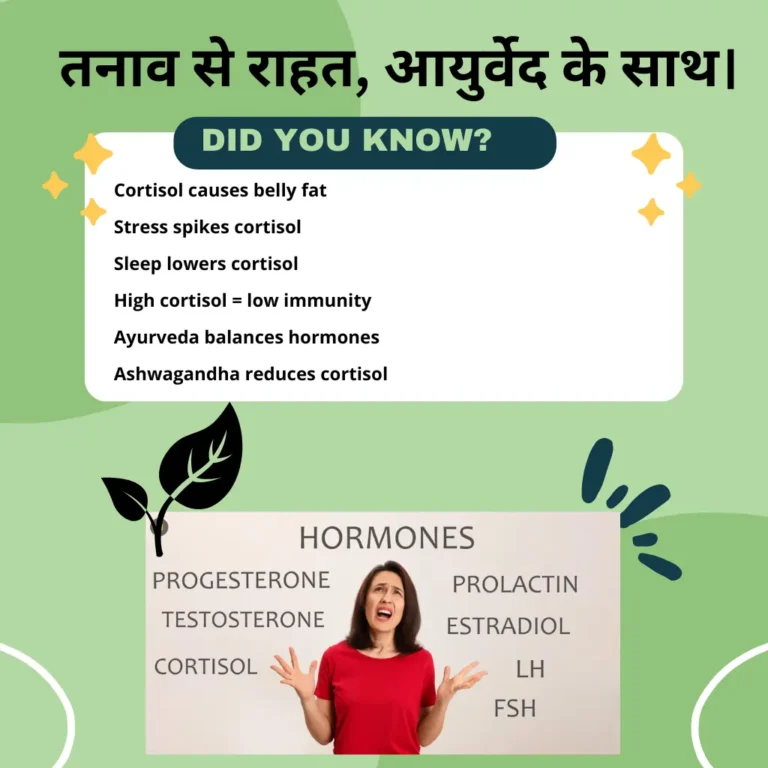
What Are the Symptoms and Causes of High Cortisol Levels?
In today’s fast-paced world, stress has become an almost constant companion—and with it, an increase in cortisol, the body’s primary stress hormone. While cortisol plays a vital role in helping the body respond to stressful situations, regulate metabolism, control blood sugar, and reduce inflammation, problems begin when levels remain elevated for too long. This hormonal imbalance can quietly disrupt nearly every system in your body, leading to a wide range of health concerns. Understanding what are the symptoms and causes of high cortisol levels is essential for identifying this hidden imbalance early and taking steps to restore harmony. From unexplained weight gain and chronic fatigue to anxiety, insomnia, and even hormonal issues, high cortisol levels can manifest in various ways—often going undiagnosed until significant damage has occurred.
In this comprehensive guide, we’ll explore the top symptoms that indicate high cortisol, delve into the underlying causes—ranging from chronic stress to underlying medical conditions—and examine natural and Ayurvedic approaches for restoring balance. Whether you’re feeling mentally burnt out, physically drained, or emotionally overwhelmed, understanding cortisol may be the first step toward lasting healing.
What is Cortisol?
Cortisol is a steroid hormone produced by your adrenal glands. It is released in response to stress and plays a vital role in:
-
Regulating metabolism
-
Controlling blood pressure
-
Reducing inflammation
-
Managing sleep-wake cycles
-
Supporting memory function
-
Responding to physical or emotional stress
Cortisol follows a natural daily rhythm—highest in the early morning and lowest at night. However, when this rhythm is disrupted by chronic stress or other conditions, cortisol levels may remain consistently high, leading to health problems.
Symptoms of High Cortisol Levels
Recognizing the signs of high cortisol can help in early diagnosis and prevention of complications. Common symptoms include:
1. Unexplained Weight Gain
-
Especially around the abdomen and face (often called “moon face”)
-
Linked to increased appetite and fat storage
2. Chronic Fatigue
-
Feeling tired even after a full night’s rest
-
Often caused by adrenal overdrive and poor sleep quality
3. Mood Swings and Anxiety
-
Constant feeling of being on edge
-
Irritability, nervousness, and in some cases, depression
4. Sleep Disturbances
-
Trouble falling asleep or staying asleep
-
Early waking and restlessness
5. Memory Problems and Brain Fog
-
Difficulty concentrating and remembering things
-
Reduced mental clarity
6. Weak Immune System
-
Increased frequency of colds, infections, or slow wound healing
7. Digestive Disturbances
-
Bloating, indigestion, or constipation
-
Due to cortisol’s impact on gut health
8. Elevated Blood Pressure
-
Cortisol narrows blood vessels, increasing blood pressure risk
9. Skin Problems
-
Acne, thinning skin, or stretch marks
-
Delayed healing of wounds
10. Hormonal Irregularities
-
Irregular periods in women
-
Low libido or fertility issues in both sexes
What Are the Causes of High Cortisol Levels?
1. Chronic Emotional Stress
-
Persistent stress from work, relationships, trauma, or grief is the leading cause.
-
The body remains in a constant “fight-or-flight” state, leading to prolonged cortisol release.
2. Poor Sleep Quality
-
Insufficient or irregular sleep disrupts the body’s natural cortisol rhythm.
-
Cortisol should be low at night, but poor sleep keeps it elevated.
3. Unhealthy Diet
-
Excessive intake of processed foods, caffeine, sugar, and alcohol can elevate cortisol.
-
Nutrient deficiencies also play a role.
4. Overtraining or Lack of Physical Activity
-
Excessive exercise without recovery increases cortisol.
-
On the other hand, a sedentary lifestyle leads to poor cortisol regulation.
5. Medical Conditions
-
Cushing’s Syndrome: A condition where the body produces too much cortisol
-
Pituitary or adrenal gland tumors
-
Depression and anxiety disorders
6. Medications
-
Long-term use of corticosteroids like prednisone can raise cortisol levels.
7. Gut-Brain Imbalance
-
A compromised gut microbiome can trigger inflammation, which impacts cortisol levels through the gut-brain axis.
Complications of Untreated High Cortisol
-
Obesity (especially abdominal)
-
Type 2 diabetes
-
High blood pressure
-
Osteoporosis
-
Infertility and menstrual issues
-
Reduced cognitive function
-
Cardiovascular diseases
-
Mood disorders and burnout
Diagnosis of High Cortisol
Medical professionals may recommend:
-
Saliva cortisol tests (especially late-night samples)
-
24-hour urine cortisol test
-
Blood cortisol test
-
Dexamethasone suppression test (to test adrenal function)
-
Imaging (MRI or CT scan) to check for adrenal or pituitary abnormalities in severe cases
Ayurvedic Perspective on High Cortisol Levels
In Ayurveda, high cortisol symptoms reflect an imbalance primarily in Vata (linked to the nervous system) and Pitta dosha (linked to metabolism and hormones). The body’s natural harmony is disrupted when mental stress, irregular lifestyle, and improper diet disturb the digestive fire (Agni) and nervous stability (Prana Vata).
Instead of treating cortisol directly, Ayurveda addresses the root causes—stress, poor digestion, and lack of rhythm—through detoxification, herbal therapy, and lifestyle correction.
Ayurvedic Solutions to Lower Cortisol Naturally
1. Herbal Remedies
-
Ashwagandha: Reduces stress, supports adrenal function
-
Brahmi: Enhances memory, calms the mind
-
Tulsi: Boosts immunity and lowers stress response
-
Shankhpushpi: Effective in anxiety and insomnia
-
Amla: Rejuvenates body tissues and balances hormones
2. Panchakarma Therapies
-
Abhyanga (Oil massage) with medicated oils to calm nerves
-
Shirodhara: Continuous oil flow on the forehead to reduce stress and improve sleep
-
Nasya: Herbal oil drops to balance brain functions
-
Basti: Medicated enemas to eliminate toxins and support Vata balance
3. Diet Recommendations
-
Warm, cooked meals with ghee and seasonal vegetables
-
Avoid spicy, fried, or frozen foods
-
Include milk, nuts, dates, and herbs like turmeric, ginger
-
Eat meals at regular intervals to stabilize metabolism
4. Lifestyle Practices
-
Wake up early (Brahma Muhurta)
-
Practice Pranayama like Nadi Shodhana, Bhramari, and Ujjayi
-
Daily meditation and mindful eating
-
Limit digital exposure and multitasking
Modern Lifestyle Tips to Balance Cortisol
-
Practice deep breathing and relaxation techniques
-
Get 7–8 hours of quality sleep
-
Take breaks from screens and social media
-
Include moderate daily exercise like walking or yoga
-
Spend time in natural sunlight daily
-
Avoid caffeine and alcohol, especially in the evening
When to Seek Medical Attention
You should consult a healthcare provider if you experience:
-
Unexplained or rapid weight gain
-
Severe fatigue or muscle weakness
-
Missed menstrual periods or fertility issues
-
Frequent infections or slow healing
-
Memory loss, brain fog, or confusion
Early diagnosis and intervention can prevent long-term damage.
Conclusion
Understanding what are the symptoms and causes of high cortisol levels is essential in today’s stress-driven world. Elevated cortisol is more than just a side effect of being busy—it’s a sign that your body and mind are out of sync. By recognizing the symptoms early and treating the underlying causes holistically, you can restore balance, energy, and clarity.
Ayurveda, with its timeless wisdom, offers a gentle yet powerful path to healing—addressing the root cause of stress and hormone imbalance through natural means. Embrace this ancient knowledge along with modern awareness to protect your long-term well-being.
FAQs – High Cortisol Levels
Fatigue, irritability, poor sleep, sugar cravings, and abdominal weight gain are early signs.
Through blood, saliva, or urine cortisol tests, often ordered by an endocrinologist.
Yes. Ayurvedic herbs, detox therapies, lifestyle corrections, and stress-relieving techniques are highly effective in balancing cortisol naturally.
Depending on the cause, natural methods may take 4–12 weeks to show results.
Yes. If left untreated, it can lead to obesity, diabetes, heart disease, infertility, and cognitive decline.
Human Depression Reason and Treatment


