Vata imbalance remedies: Anxious, Bloated, or Constipated? Ayurveda Says Your Vata Might Be the Reason
Introduction
You’re not just stressed or tired — your body is trying to tell you something deeper. Constant bloating, anxiety, dry skin, or insomnia? These are classic signs of a Vata dosha imbalance, and Ayurveda offers powerful tools to bring you back to balance—without pills or side effects. This article shares practical, natural, and time-tested Vata imbalance remedies based on Ayurvedic principles. From diet and lifestyle to herbs and detox therapies, you’ll learn how to rebalance your energy and restore harmony in body and mind.
In Ayurveda, Vata governs all movement in the body and mind. It controls the nervous system, circulation, and elimination. When Vata becomes aggravated due to poor diet, irregular routines, excessive travel, or stress, it leads to a wide range of physical and emotional symptoms.
This article explains how to identify Vata imbalance and shares effective Ayurvedic remedies to bring your body and mind back into balance naturally.
What Is Vata Dosha?
Vata is composed of the air and ether elements. It is dry, light, cold, mobile, and subtle in nature. It is responsible for all bodily movements, including breathing, blinking, muscle and tissue movement, and the flow of thoughts in the mind.
Common Symptoms of Vata Imbalance:
- Anxiety, fear, or restlessness
- Insomnia or light, disturbed sleep
- Gas, bloating, or constipation
- Dry skin, lips, and hair
- Joint pain or stiffness
- Irregular appetite
- Cold hands and feet
Real-Life Example: Priya, a 29-year-old content writer, started experiencing bloating, irregular periods, and intense anxiety after switching to a new job with late-night deadlines and irregular meals. Ayurvedic consultation revealed aggravated Vata. By following a calming daily routine, warm foods, and Ashwagandha supplementation, her symptoms reduced significantly in 4 weeks.
Causes of Vata Imbalance
- Irregular sleep and eating habits
- Skipping meals or eating on the go
- Excessive cold, dry, or raw foods
- High-stress levels and overthinking
- Overexposure to cold, wind, or dry weather
- Excessive use of screens or stimulation
Vata Imbalance Remedies: Ayurvedic Approach
1. Vata-Pacifying Diet
- Prefer warm, soft, moist, and cooked foods
- Use healthy fats like ghee, sesame oil, and avocado
- Avoid cold drinks, salads, popcorn, dry snacks
- Favor grounding grains like rice and oats
- Use spices like ginger, cumin, fennel, cinnamon
Meal Timing: Eat at regular intervals. Never skip meals. Early dinner before 7:30 PM helps regulate Vata.
2. Lifestyle Changes to Calm Vata
- Establish a daily routine: Wake up, eat, and sleep at the same time every day
- Get 7–8 hours of deep sleep (no screens 1 hour before bed)
- Practice self-massage (Abhyanga) with warm sesame oil daily before bathing
- Take warm showers and avoid exposure to cold winds
- Reduce multitasking and overstimulation
3. Yoga and Pranayama for Vata Balance
- Gentle, slow yoga poses like:
- Balasana (Child’s Pose)
- Tadasana (Mountain Pose)
- Sukhasana (Easy Pose)
- Breathing techniques:
- Nadi Shodhana (Alternate nostril breathing)
- Bhramari (Humming bee breath)
Practice yoga slowly, with awareness and calm music.
4. Herbs That Help Balance Vata
- Ashwagandha: Reduces anxiety and supports the nervous system
- Brahmi: Enhances memory and calms the mind
- Triphala: Supports digestion and relieves constipation
- Licorice (Mulethi): Moisturizing and calming for the gut
These herbs can be taken in powder or tablet form under guidance from an Ayurvedic practitioner.
5. Vata-Friendly Daily Routine (Dinacharya)
- Wake up early (before 6:30 AM)
- Drink warm water with a pinch of ginger or cumin
- Perform gentle oil massage with sesame oil
- Eat freshly prepared meals at regular times
- Avoid cold, processed, or leftover food
- Wind down before 10 PM with herbal tea and calming rituals
6. Panchakarma for Chronic Vata Issues
If Vata imbalance is deep-rooted (chronic anxiety, long-term constipation, joint degeneration), consult an Ayurvedic clinic for detox therapies:
- Basti (medicated enema): Most effective therapy for Vata
- Shirodhara: Warm oil poured on the forehead to calm the nervous system
- Kati Basti: Localized oil retention on the lower back for pain
Case Study: Holistic Recovery from Vata Disorder
Patient: Anjali, 35, marketing manager Symptoms: Chronic dry constipation, light sleep, panic attacks, hair thinning Diagnosis: Severe Vata imbalance aggravated by long work hours, frequent flights, and irregular food habits
Treatment:
- Vata-pacifying diet and routine
- Triphala at night + Ashwagandha in the morning
- Daily sesame oil Abhyanga
- Basti therapy for 5 days at a certified Ayurvedic clinic
Results: Within 6 weeks, digestion normalized, sleep improved, and anxiety reduced significantly.
Read more about Doshas:
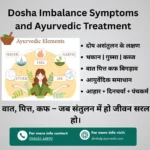
- Dosha Imbalance Symptoms and Ayurvedic Treatment
- Ayurvedic Diet Plan for Vata Dominance
Conclusion
Vata imbalance is common but manageable with the right Ayurvedic guidance. By adopting warm, grounding foods, calming lifestyle habits, and natural remedies, you can restore Vata to its natural balance and experience improved digestion, mental calm, and overall wellness.
If you frequently feel cold, anxious, constipated, or overwhelmed, it may be time to address your Vata. Consult a qualified Ayurvedic practitioner and start your healing journey naturally.