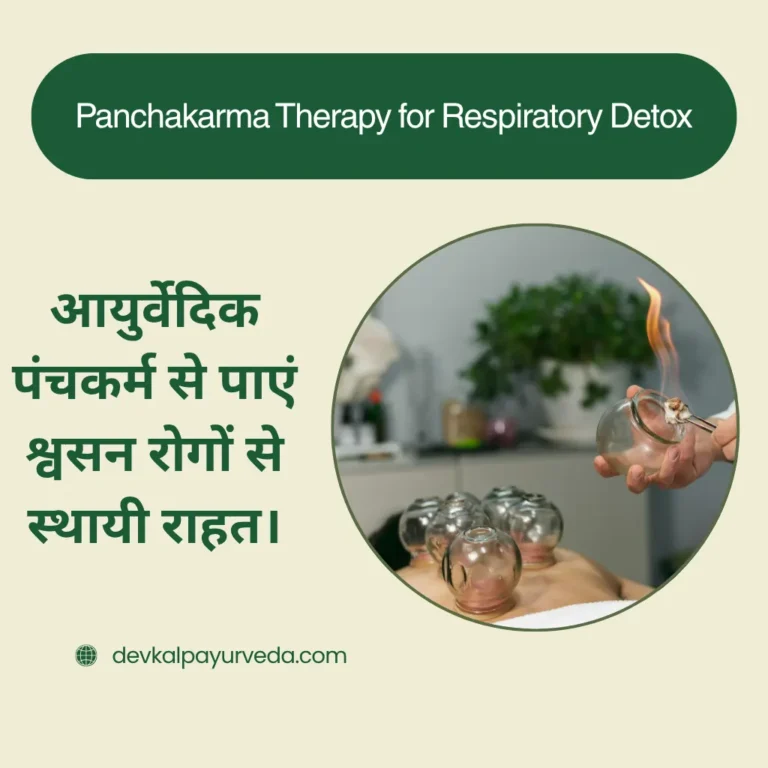
Panchakarma Therapy for Respiratory Detox: Ayurveda’s Healing for Lung Health
Respiratory problems like pneumonia, chronic bronchitis, asthma, and recurrent lung infections are becoming more common today. While medicines may suppress symptoms, they often leave behind toxins that weaken lung function over time. Ayurveda offers a deeper solution — detoxifying the body at the root level through Panchakarma Therapy for Respiratory Detox. This ancient cleansing process helps the lungs regain strength, remove mucus buildup, and restore balance to the entire respiratory system.
Pneumonia Treatment in Ayurveda: Complete Guide
In this blog, we will explore how Panchakarma helps heal the lungs, who can benefit, and the specific therapies involved in respiratory detox.
Understanding Lung Health in Ayurveda
In Ayurveda, healthy lungs depend on the balance of the three doshas:
-
Kapha dosha — governs mucus production and moisture in the lungs.
-
Pitta dosha — controls inflammation and body temperature.
-
Vata dosha — manages breathing patterns and air circulation.
When these doshas become imbalanced, the lungs fill with mucus (Kapha excess), inflammation increases (Pitta aggravation), and breathlessness occurs (Vata disturbance).
Toxins (Ama) further block the channels, causing:
-
Chronic coughing
-
Chest congestion
-
Shortness of breath
-
Recurrent respiratory infections
Panchakarma works by deeply cleansing these toxins, restoring dosha balance, and strengthening lung tissues.
What is Panchakarma?
Panchakarma means “five actions” — a series of five cleansing procedures designed to remove deep-seated toxins from the body.
For respiratory detox, specific Panchakarma therapies are selected to:
-
Cleanse the airways.
-
Remove sticky mucus.
-
Reduce inflammation.
-
Restore lung capacity.
Unlike temporary treatments, Panchakarma works at the root cause level, bringing long-term healing.
Panchakarma Therapies for Respiratory Detox
Let’s explore the Panchakarma procedures most effective for lung health:
1️⃣ Vamana (Therapeutic Emesis)
Purpose:
-
Removes excess Kapha (mucus) directly from the stomach and lungs.
-
Clears respiratory channels.
-
Prevents recurrent lung infections.
How it works:
-
The patient is prepared with medicated ghee and warm herbal decoctions.
-
On the day of Vamana, herbs are administered to induce controlled vomiting.
-
Mucus and toxins are expelled, leaving the lungs clearer.
Ideal for:
-
Chronic bronchitis
-
Pneumonia recovery (Kapha dominant)
-
Asthma with heavy mucus
Precautions:
-
Performed only under expert supervision.
2️⃣ Nasya (Nasal Therapy)
Purpose:
-
Clears sinuses and upper respiratory tract.
-
Opens blocked nasal passages.
-
Removes accumulated Kapha from the head and chest.
How it works:
-
Medicated oils or herbal juices are gently instilled into the nostrils.
-
The patient is then given facial steam to promote drainage.
Common Nasya Oils:
-
Anu Taila
-
Shadbindu Taila
-
Brahmi Taila
Ideal for:
-
Sinusitis
-
Allergic rhinitis
-
Post-pneumonia nasal congestion
🔔 Regular Nasya also prevents recurrent upper respiratory infections.
3️⃣ Swedana (Herbal Steam Therapy)
Purpose:
-
Loosens thick mucus.
-
Opens airways.
-
Relieves chest congestion.
How it works:
-
The patient is exposed to steam generated from herbal decoctions like Dashmool or Tulsi.
-
Steam penetrates deep into the lungs, melting mucus and easing breathing.
Ideal for:
-
Pneumonia recovery
-
Asthma
-
Bronchitis
🔔 Swedana is usually done after oil massage (Abhyanga) for better effect.
4️⃣ Abhyanga (Herbal Oil Massage)
Purpose:
-
Balances Vata dosha.
-
Relaxes chest muscles.
-
Improves blood circulation to lung tissues.
How it works:
-
Warm medicated oils are massaged gently over the chest, back, and body.
-
Common oils used: Bala Taila, Narayana Taila.
Ideal for:
-
General lung strengthening
-
Fatigue after respiratory illness
-
Reducing body aches
5️⃣ Basti (Medicated Enema)
Purpose:
-
Removes toxins from the colon (considered the seat of Vata).
-
Reduces dryness and inflammation.
-
Supports long-term respiratory immunity.
How it works:
-
Herbal oils or decoctions are introduced into the rectum.
-
Toxins are eliminated naturally, calming the entire system.
Ideal for:
-
Chronic asthma
-
Weak digestion post-pneumonia
-
Vata-predominant conditions
Panchakarma Sequence for Lung Detox
A typical respiratory Panchakarma program may follow this sequence:
1️⃣ Poorva Karma (Preparation Phase):
-
Light diet (Langhana)
-
Medicated ghee intake (Snehana)
-
Mild oil massage and steam therapy
2️⃣ Pradhana Karma (Main Detox):
-
Vamana or Basti based on dosha imbalance
-
Nasya and Swedana as supportive therapies
3️⃣ Paschat Karma (Post-Therapy Care):
-
Special lung-rejuvenating diet
-
Rasayana herbs (rejuvenation)
-
Breathing exercises
Who Can Benefit from Panchakarma Respiratory Detox?
Panchakarma is highly beneficial for individuals with:
-
Chronic or recurrent pneumonia
-
Asthma
-
COPD (Chronic Obstructive Pulmonary Disease)
-
Sinusitis and allergic rhinitis
-
Post-COVID lung weakness
-
Smokers needing lung detox
Ayurvedic Herbs for Pneumonia Recovery
Benefits of Panchakarma for Lungs
-
Clears deep mucus and toxins.
-
Strengthens lung tissues.
-
Improves oxygen intake and breathing capacity.
-
Reduces inflammation naturally.
-
Prevents recurrence of infections.
-
Balances immunity at the root level.
🔔 Most importantly, it offers long-lasting healing, unlike symptomatic treatments.
Rasayana Herbs After Panchakarma
Post-Panchakarma care often includes Rasayana (rejuvenating) herbs to strengthen lung tissues:
-
Chyawanprash — Builds overall immunity.
-
Vasa Avaleha — Excellent for chronic lung conditions.
-
Ashwagandha — Balances Vata and strengthens energy.
-
Shatavari — Soothes inflamed tissues.
-
Pippali Rasayana — Specific lung rejuvenator.
Panchakarma: Customized Approach
Every individual is different. Panchakarma for respiratory detox is not a one-size-fits-all treatment. An Ayurvedic doctor customizes:
-
The therapies
-
Duration
-
Herbs
-
Oils
-
Diet
This personalization makes Panchakarma safe, effective, and deeply healing.
Precautions & Contraindications
-
Not advised during acute infection or high fever.
-
Pregnant women and elderly require special consideration.
-
Should be performed only under trained Ayurvedic supervision.
-
Requires proper rest and disciplined post-treatment care.
Conclusion
Panchakarma Therapy for Respiratory Detox offers one of the most powerful natural approaches to lung healing. Unlike temporary solutions, it works at the deepest level, clearing toxins, restoring balance, and building long-term lung strength. Whether you’re recovering from pneumonia, asthma, or simply want stronger lungs, Panchakarma may hold the key to lasting respiratory health — safely, naturally, and holistically.
“When you cleanse the inside, the lungs breathe freely, and the whole body thrives.”
Frequently Asked Questions (FAQs)
Panchakarma helps address the root cause. In many cases, regular Panchakarma greatly reduces recurrence and dependence on medicines
Typically 7 to 21 days depending on severity and patient strength.
Yes — once the acute phase is over, Panchakarma can strengthen and repair lung tissues.
Yes, when done by trained professionals and after proper assessment.
Absolutely — it helps remove accumulated toxins and strengthen lungs.