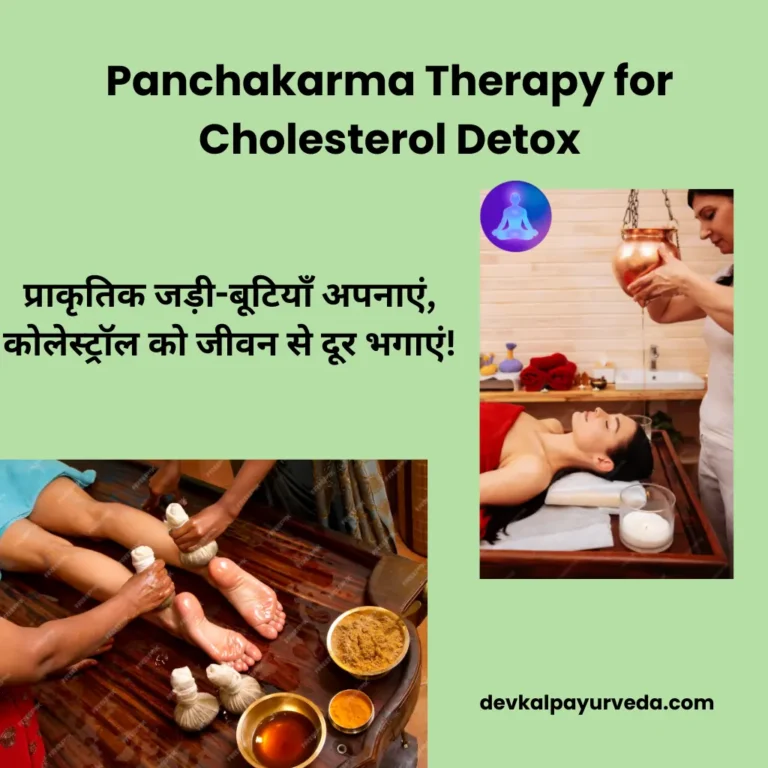
Panchakarma Therapy for Cholesterol Detox: Ayurvedic Cleanse for a Healthy Heart
Introduction: Panchakarma for Cholesterol Detox
In today’s fast-paced world, high cholesterol has become a silent threat to heart health. While conventional medicine focuses on medications to control lipid levels, Ayurveda offers a holistic and natural detoxification method known as Panchakarma. Rooted in ancient wisdom, Panchakarma therapy for cholesterol detox works by removing accumulated toxins (Ama), balancing Kapha dosha, and restoring the proper function of the body’s metabolic system. In this article, we explore how Panchakarma can help manage cholesterol naturally and support heart health.
Ayurvedic Herbs for Cholesterol
What is Panchakarma? A Complete Detoxification System
Panchakarma is a classical Ayurvedic therapy that means “five actions” or “five treatments.” It is designed to cleanse the body of accumulated toxins and restore optimal health. The therapy is typically done in three stages:
- Purvakarma (Preparatory Phase): Involves oleation and sudation to loosen toxins.
- Pradhankarma (Main Treatment): The core detox procedures are performed.
- Paschatkarma (Post-Treatment): Rejuvenation and lifestyle guidance are offered to maintain the benefits.
These processes together cleanse the srotas (body channels), improve Agni (digestive fire), balance the doshas, and enhance metabolism, which are crucial for controlling cholesterol.
Ayurvedic View of Cholesterol: Meda Dhatu and Dosha Imbalance
In Ayurveda, cholesterol is not viewed as a separate substance but rather as a part of the Meda Dhatu (fat tissue). When digestion is weak, it leads to the accumulation of Ama (toxins), which then mixes with Meda, causing blockages in bodily channels and raising lipid levels.
Ayurvedic Treatment for High Cholesterol
Factors Contributing to High Cholesterol in Ayurveda:
- Weak digestive fire (Mandagni)
- Kapha and Meda imbalance
- Sedentary lifestyle
- Overconsumption of fatty, sweet, and oily foods
- Emotional stress and lack of routine
Thus, Ayurvedic management focuses on improving digestion, cleansing the body, and balancing Kapha dosha through therapies like Panchakarma.
Panchakarma Therapies for Cholesterol Detox
1. Vamana (Therapeutic Emesis)
Purpose: Elimination of excess Kapha and toxins from the stomach and chest region.
Benefits:
- Removes accumulated phlegm and fat
- Clears lymphatic congestion
- Stimulates fat metabolism
Recommended for: People with Kapha-predominant constitutions, obesity, and high cholesterol.
2. Virechana (Purgation Therapy)
Purpose: Cleansing the liver, gallbladder, and intestines through controlled purgation.
Benefits:
- Enhances bile secretion
- Detoxifies the liver (key organ in cholesterol regulation)
- Reduces Pitta and improves fat digestion
3. Basti (Medicated Enema)
Purpose: Administers medicated oils or decoctions into the colon.
Benefits:
- Balances Vata dosha
- Improves absorption and metabolism
- Helps reduce triglycerides and LDL cholesterol
Types of Basti Used:
- Anuvasana Basti (Oil-based)
- Niruha Basti (Decoction-based)
4. Nasya (Nasal Cleansing)
Purpose: Administering herbal oils or decoctions through the nostrils.
Benefits:
- Clears the head region and improves endocrine function
- Indirectly supports metabolic processes
5. Raktamokshana (Bloodletting)
Purpose: Removing small amounts of impure blood to detoxify the circulatory system.
Benefits:
- Clears blood impurities
- Improves blood flow
- May help reduce high lipid levels under specific conditions
Purvakarma: Preparing the Body for Detox
Before undergoing the main Panchakarma procedures, the body must be prepared through Purvakarma, which includes:
Snehana (Oleation)
- Internal: Consuming medicated ghee like Triphala Ghrita or Tikta Ghrita.
- External: Abhyanga (full body oil massage) to loosen toxins and nourish tissues.
Swedana (Sudation)
- Herbal steam therapy that opens up the pores and liquefies toxins for easier elimination during the main detox.
These preparatory therapies enhance the body’s receptiveness to the main detox treatments.
Rasayana (Rejuvenation) After Panchakarma
Once detoxification is complete, the body undergoes a rejuvenation phase to rebuild strength and immunity.
Diet Recommendations:
- Warm, light, and easily digestible foods like moong dal, rice, and cooked vegetables.
- Avoid cold, oily, and heavy foods.
Lifestyle Guidelines:
- Gentle yoga and pranayama
- Mindful eating
- Stress-reducing practices like meditation and self-reflection
Rasayana Herbs for Cholesterol:
- Arjuna: Strengthens the heart and improves lipid profile
- Amla: Rich in antioxidants and Vitamin C
- Guggul: Regulates triglycerides and LDL
- Ashwagandha: Reduces stress, which can indirectly affect cholesterol
Who Can Benefit from Panchakarma for Cholesterol?
Panchakarma is especially beneficial for those who:
- Suffer from obesity, fatty liver, or metabolic syndrome
- Have high LDL and triglycerides
- Feel mentally and physically sluggish
- Want to avoid or reduce dependency on medications
However, Panchakarma is not advisable for:
- Pregnant women
- People with recent surgeries or cardiac events
- Those with severe anemia or chronic weakness
Always consult a certified Ayurvedic practitioner before undergoing Panchakarma
Ayurvedic Herbs for Cholesterol
Conclusion
Panchakarma offers a natural, time-tested method to cleanse the body and balance fat metabolism. By eliminating toxins, enhancing digestion, and rejuvenating the body, it lays the foundation for long-term cholesterol control. If you’re looking for a holistic, side-effect-free way to manage cholesterol, consider the power of Panchakarma under the guidance of a skilled Ayurvedic doctor.
Stay tuned for our next cluster blog: “Top Ayurvedic Herbs to Lower Cholesterol Naturally”.
FAQs: Panchakarma and Cholesterol
While Panchakarma provides a strong detox foundation, combining it with a proper Ayurvedic diet and lifestyle ensures long-term cholesterol control.
Ideally, Panchakarma should be done once or twice a year, especially during seasonal transitions, to keep toxins and lipid buildup under control.
Yes, Virechana and Basti are particularly effective in clearing excess fat, supporting digestion, and reducing lipid levels.
Absolutely. Panchakarma helps release deep-rooted toxins and excessive fat tissues, naturally aiding in weight loss.
In many mild to moderate cases, yes. However, it should always be done under professional guidance and not abruptly replace modern medicines.
Although most people feel rejuvenated, the post-Panchakarma diet must be followed for at least 7–10 days to stabilize the metabolism.
When done properly, side effects are minimal. Some may experience mild fatigue, which quickly resolves during the Rasayana phase.
Unlike modern detox methods, Panchakarma is personalized, rooted in dosha analysis, and deeply therapeutic rather than just cleansing.
Yes, preparing the body with a light, Kapha-pacifying diet enhances the therapy’s effectiveness and makes the detox smoother.
Always choose certified Ayurvedic centers or clinics like Devkalp Ayurveda, where therapies are administered by trained Vaidyas.