
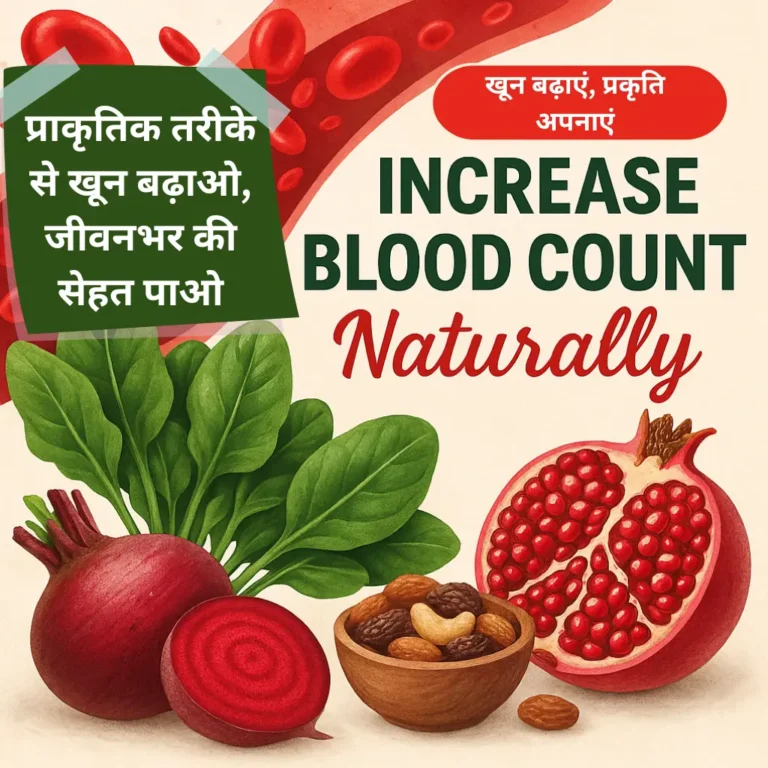
Increase Blood Count Naturally
Picture this: You’re sitting in class, trying to focus, but your mind feels foggy. Your legs tremble as you climb stairs, and even tying your shoes leaves you breathless. Your friends ask you to play, but your body feels like it’s made of lead. This isn’t just “being tired”—it’s what happens when your blood count drops too low. Your blood is your lifeline. Every cell in your body depends on red blood cells (RBCs) to deliver oxygen. When RBCs or hemoglobin (the oxygen-carrying protein) dip, your energy vanishes, your skin pales, and your world shrinks. But here’s the good news: Your body can heal. With patience, the right foods, and simple habits, you can increase blood count naturally and reclaim your spark. Let’s dive into the why, how, and what of boosting your blood health—starting today.
Understanding Blood Count: The Science of Energy
What Happens When Blood Count Is Low?
Your blood count measures three main components:
- Red Blood Cells (RBCs): Carry oxygen from lungs to tissues.
- Hemoglobin: Iron-rich protein in RBCs that binds oxygen.
- Hematocrit: The percentage of blood made up by RBCs.
When these numbers fall, your body becomes oxygen-starved. Think of it like a car running on empty. Muscles ache, the brain fogs, and even your heart works harder to pump “weak” blood. This condition is called anemia, affecting over 1.6 billion people worldwide (WHO).
Why Does Blood Count Drop?
Low blood count isn’t random. It’s often a sign of deeper imbalances:
1. Nutritional Deficiencies (Most Common Cause)
- Iron Deficiency: Iron is the core of hemoglobin. Without it, your body can’t make enough RBCs.
- Vitamin B12/Folate Deficiency: These vitamins help RBCs mature. Without them, RBCs stay small and fragile.
2. Chronic Blood Loss
- Heavy periods, stomach ulcers, or slow internal bleeding (e.g., from long-term aspirin use).
3. Chronic Diseases
- Kidney disease reduces erythropoietin (a hormone that triggers RBC production).
- Autoimmune disorders like lupus destroy RBCs prematurely.
4. Genetic Factors
- Thalassemia or sickle cell anemia (inherited disorders affecting hemoglobin).
The 12 Most Effective Home Remedies to Increase Blood Count Naturally
1. Iron-Rich Foods: Fuel for Your Blood
Iron is the foundation of hemoglobin. There are two types:
- Heme Iron (Easily Absorbed): Found in animal products like red meat, liver, eggs, and fish.
- Non-Heme Iron (Plant-Based): Found in spinach, lentils, tofu, and quinoa.
Pro Tip: Pair plant iron with vitamin C to boost absorption. For example:
- Spinach salad with lemon dressing.
- Lentil soup with tomatoes.
Recipe: Iron-Packed Smoothie
- 1 cup spinach (non-heme iron)
- 1 orange (vitamin C)
- 1 tbsp pumpkin seeds (iron + zinc)
- ½ banana (folate)
Blend with water or almond milk.
2. Vitamin C: The Iron Absorption Booster
Vitamin C transforms non-heme iron into a form your body can use. Without it, up to 70% of plant iron is wasted (NIH study).
Best Sources:
- Citrus fruits (oranges, grapefruits)
- Bell peppers (1 red pepper = 150% daily vitamin C)
- Strawberries, kiwis, and broccoli
Daily Hack: Squeeze lemon juice over iron-rich meals or sip diluted orange juice with breakfast.
3. Beetroot: Nature’s Blood Tonic
Beetroot contains iron, folate, and nitrates that widen blood vessels, improving oxygen flow. A 2020 study in Journal of Nutrition showed daily beetroot juice increased hemoglobin by 8% in 4 weeks.
How to Use:
- Juice 1 beetroot + 1 carrot + 1-inch ginger.
- Roast beets and add to salads.
4. Dates, Figs, and Raisins: Iron Snacks
Dried fruits are concentrated iron sources:
- 5 dates = 1.2 mg iron (6% daily value).
- Soak overnight to soften and improve digestibility.
Sweet Remedy: Mix chopped dates with almonds and dark chocolate (iron + antioxidants).
5. Avoid Iron Blockers
Certain foods inhibit iron absorption:
- Coffee/Tea: Tannins bind to iron. Wait 1 hour after meals.
- Calcium-Rich Foods: Dairy, kale, and fortified cereals compete with iron. Avoid combining with iron-rich meals.
6. Cook with Cast Iron
Cooking acidic foods (tomato sauce, chili) in cast iron pots can add 2–3 mg of iron per serving (NIH).
Try This: Simmer tomato soup in a cast-iron pot for 20 minutes.
7. Vitamin B12: The Energy Activator
Vitamin B12 is crucial for RBC formation. Deficiency causes megaloblastic anemia (oversized, non-functional RBCs).
Sources:
- Animal products: Fish, eggs, dairy.
- Vegan options: Fortified cereals, nutritional yeast.
Warning: B12 deficiency is common in vegetarians/vegans. Consider supplements after consulting a doctor.
8. Folate (Vitamin B9): The Cell Builder
Folate helps RBCs divide and grow. Pregnant women need extra folate to prevent birth defects.
Top Sources:
- Lentils (1 cup = 90% DV)
- Avocado, asparagus, and fortified grains.
9. Stay Hydrated: Water Balances Blood Volume
Dehydration thickens blood, making it harder for RBCs to flow. Aim for 8–10 glasses daily. Add electrolytes (a pinch of salt + lemon) if you sweat a lot.
10. Exercise: Oxygenate Your Body
Moderate exercise signals your body to produce more RBCs. Try:
- Brisk walking (30 minutes/day)
- Cycling or dancing
- Yoga (improves circulation)
Caution: Avoid overexertion if you’re severely anemic.
11. Herbal Allies: Nettle, Ashwagandha, and More
- Nettle Tea: Rich in iron, vitamin C, and chlorophyll. Steep 1 tsp dried nettle leaves in hot water.
- Ashwagandha: Reduces stress (a hidden cause of anemia) and boosts hemoglobin (study in Journal of Ayurveda).
- Yellow Dock Root: Traditional herb for iron absorption.
12. Sleep and Stress Management
Chronic stress depletes iron stores. Poor sleep disrupts hormone balance.
Fix It:
- Aim for 8–10 hours of sleep.
- Practice deep breathing or mindfulness.
- Try adaptogens like holy basil.
When to See a Doctor: Red Flags
Home remedies work for mild anemia, but seek help if you experience:
- Chest pain or shortness of breath
- Rapid heartbeat (even at rest)
- Pale gums/nails
- Blood in stool or black stools
Tests You Might Need:
- Complete Blood Count (CBC)
- Ferritin (measures stored iron)
- Vitamin B12/folate levels
Medical Treatments:
- Iron supplements (ferrous sulfate)
- B12 injections for severe deficiency
- Blood transfusions (rare, extreme cases)
Key Takeaways: Building Blood Health
- Eat Iron Smart: Combine heme/non-heme iron with vitamin C.
- Avoid Blockers: Separate iron meals from coffee/tea by 1 hour.
- Hydrate + Move: Water and exercise optimize blood flow.
- Monitor Progress: Track energy levels and get blood tests every 3–6 months.
Blood-Boosting Foods Table (Daily Goals)
| Nutrient | Role in Blood Health | Best Sources | Daily Adult Needs |
|---|---|---|---|
| Iron | Hemoglobin production | Liver (7 mg/3 oz), lentils (6.6 mg/cup) | Men: 8 mg, Women: 18 mg |
| Vitamin B12 | RBC maturation | Salmon (4.8 mcg/3 oz), eggs (0.6 mcg) | 2.4 mcg |
| Folate | DNA synthesis for RBCs | Lentils (358 mcg/cup), spinach (263 mcg/cup) | 400 mcg |
| Vitamin C | Iron absorption | Red pepper (95 mg), orange (70 mg) | 90 mg (M), 75 mg (F) |
Conclusion: Your Journey to Stronger Blood
Low blood count isn’t a life sentence. It’s a wake-up call to nourish your body deeply. Imagine waking up refreshed, running without gasping, and laughing without exhaustion. That future is possible. Start with one iron-rich meal today. Celebrate small wins—a greener smoothie, a walk in the sun, an extra hour of sleep. Your blood rebuilds itself every 120 days. With consistency, you’ll see changes: rosier cheeks, steadier energy, and a brighter spirit. You’re not just raising numbers on a lab report—you’re reclaiming your life.
Remember: You’re stronger than you think. And nature is on your side.
How to Lower Blood Sugar Naturally
FAQs: Your Questions Answered
Q1: Can anemia cause hair loss?
A: Yes! Low iron reduces oxygen to hair follicles, leading to thinning.
Q2: Is dark chocolate good for blood count?
A: Yes! 1 oz of dark chocolate (70%+) has 3.3 mg iron.
Q3: How does pregnancy affect blood count?
A: Blood volume increases by 50%, diluting RBCs. Prenatal vitamins are crucial.
Q4: Can stress cause anemia?
A: Indirectly. Stress triggers poor diet choices and gut issues (reducing iron absorption).
Q5: Are iron supplements safe?
A: Only under medical supervision. Excess iron damages organs.


