
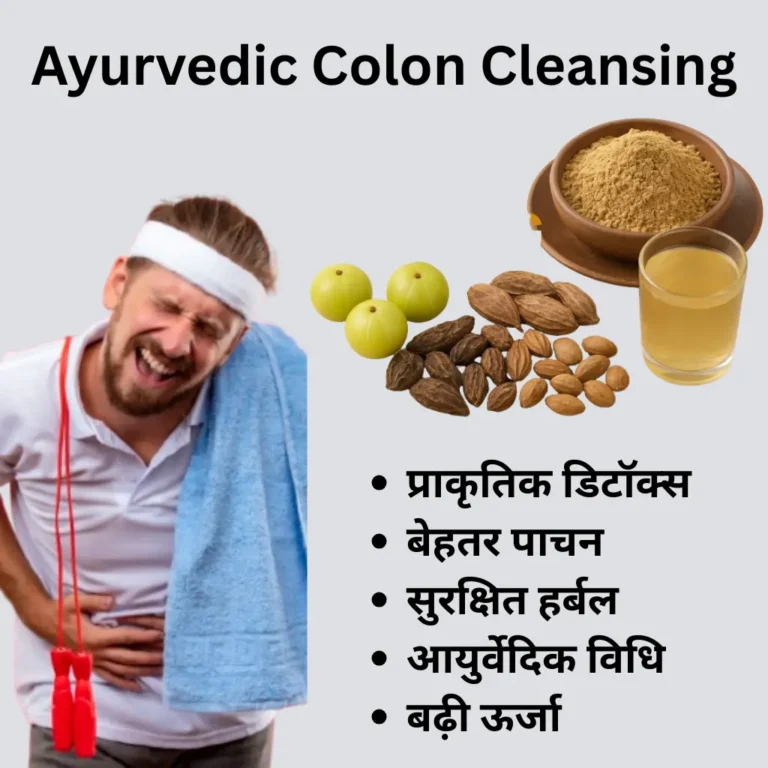
Ayurvedic Colon Cleansing – A Natural Way to Reboot Your Digestive Health
Your colon is like the body’s silent housekeeper — it works tirelessly to absorb nutrients from the food you eat and remove waste that your body no longer needs. But with today’s fast-paced lifestyles, irregular eating habits, and excessive intake of processed foods, this vital system can get overwhelmed. In Ayurvedic terms, this leads to the build-up of Ama (toxins) in the intestines, which can slow digestion, cause bloating, fatigue, and even skin problems. Ayurvedic colon cleansing offers a gentle yet highly effective way to detoxify the digestive tract, restore balance, and improve overall well-being — without the harsh chemicals often used in modern “quick-fix” cleanses. Rooted in thousands of years of Ayurvedic wisdom, this practice not only removes waste but also rejuvenates the colon so it can function at its best.
In this guide, we’ll explore how Ayurvedic colon cleansing works, the herbs and techniques used, a simple home plan you can follow, and when to seek professional help for deeper detox.
Also Read: 10 Proven Benefits of Colon Hydrotherapy
What is Ayurvedic Colon Cleansing?
In Ayurveda, the colon is closely linked to Vata dosha, particularly Apana Vata, which governs elimination. When this function is disturbed, waste accumulates, and toxins begin to circulate throughout the body, leading to multiple health issues.
Ayurvedic colon cleansing is not about flushing your intestines aggressively. Instead, it is a controlled purification process aimed at:
-
Removing built-up toxins from the large intestine
-
Restoring the natural flow of Apana Vata
-
Improving nutrient absorption
-
Balancing digestion (Agni)
This process may involve Panchakarma therapies like Virechana (purgation) or Basti (medicated enema), or gentler home remedies like herbal powders, warm water therapy, and light, cleansing foods.
Why Colon Health Matters in Ayurveda
In Ayurveda, the colon isn’t just a waste removal system — it’s considered a foundation for vitality. A healthy colon ensures that:
-
Your digestive fire (Agni) works efficiently
-
Nutrients are absorbed properly
-
Toxins don’t enter the bloodstream
-
Energy levels remain steady
-
Skin stays clear and radiant
A classic Ayurvedic text, Charaka Samhita, emphasizes that Vata imbalance in the colon can trigger a chain reaction affecting joints, skin, immunity, and even mental health.
Real-life example:
A 38-year-old IT professional from Pune suffered from chronic bloating, irregular bowels, and afternoon fatigue. After a consultation at an Ayurvedic clinic, she followed a 7-day colon cleanse using Triphala, ghee therapy, and a light khichdi diet. By the end of the week, her bloating reduced, her energy improved, and her skin looked fresher — all without any side effects.
Signs Your Colon Needs Cleansing
Here are common signs of colon congestion according to Ayurveda:
-
Chronic constipation or irregular stools
-
Bloating and abdominal heaviness after meals
-
Coated tongue and bad breath
-
Gas and foul-smelling stools
-
Fatigue and mental fog
-
Skin issues like acne or dullness
If you regularly experience three or more of these symptoms, your digestive system might benefit from a mild Ayurvedic cleansing routine.
Ayurvedic Colon Cleansing Methods
A. Panchakarma Therapies (Clinic-Based)
These are supervised detox procedures that deeply cleanse the body:
-
Virechana – Herbal purgation
-
Uses natural herbs like Trivrit and Haritaki to clear toxins from the small intestine and colon.
-
Especially useful for excess Pitta conditions like skin disorders or acidity.
-
-
Basti – Medicated enemas
-
Considered the king of colon therapies in Ayurveda.
-
Uses herbal decoctions or medicated oils to balance Vata, soften stool, and nourish colon walls.
-
Types include Niruha Basti (decoction) and Anuvasana Basti (oil).
-
B. Home-Based Ayurvedic Cleansing Practices
For mild to moderate digestive sluggishness, these can be done at home:
-
Triphala powder – 1 tsp with warm water at bedtime for gentle daily detox.
-
Lemon water – Warm water with lemon and a pinch of rock salt every morning to stimulate digestion.
-
Jeera-Dhaniya-Ajwain water – Boil 1 tsp each in 2 cups of water, strain, and sip warm through the day.
-
Light meals – Khichdi with ghee, steamed vegetables, and seasonal fruits.
Best Ayurvedic Herbs for Colon Cleansing
-
Triphala (Haritaki, Bibhitaki, Amalaki) – Gentle laxative, antioxidant, rejuvenator.
-
Isabgol (Psyllium husk) – Adds bulk and eases constipation.
-
Aloe vera pulp – Cools Pitta, aids smooth bowel movement.
-
Haritaki – Stimulates peristalsis and clears toxins.
-
Senna leaves – Stronger herbal laxative (should be used sparingly under guidance).
Tip: Always take herbs under the supervision of an Ayurvedic doctor, especially if you have chronic health conditions.
Ayurvedic Diet for a Healthy Colon
An Ayurvedic cleanse focuses on light, warm, and easily digestible foods:
-
Include: Moong dal khichdi, buttermilk, seasonal fruits, ghee, steamed vegetables.
-
Avoid: Fried foods, white sugar, refined flour, processed snacks, excess dairy, and cold drinks.
-
Spices for digestion: Cumin, coriander, fennel, black pepper, ginger.
Step-by-Step 7-Day Ayurvedic Colon Cleanse Plan
1–2 Day: Preparation
-
Switch to light vegetarian meals.
-
Avoid caffeine, sugar, and fried foods.
-
Start your day with warm lemon water.
3–5 Day: Main Cleanse
-
Breakfast: Stewed apple with cinnamon
-
Lunch/Dinner: Khichdi with ghee and steamed veggies
-
Herbal support: 1 tsp Triphala with warm water at night
-
Drink warm jeera-dhaniya-ajwain water all day
6–7 Day: Rebuilding Digestion
-
Add probiotic-rich buttermilk with lunch
-
Introduce seasonal fruits
-
Continue Triphala if needed
Precautions & Who Should Avoid
Ayurvedic colon cleansing is generally safe, but avoid or consult an Ayurvedic doctor if you:
-
Are pregnant or breastfeeding
-
Have severe dehydration or chronic diarrhea
-
Are recovering from major illness or surgery
-
Have serious digestive diseases like ulcerative colitis
Conclusion – A Gentle Path to Lifelong Digestive Health
Your colon is not just a waste disposal unit — it’s a key player in your overall health. Ayurvedic colon cleansing offers a time-tested, gentle way to reset your digestion, remove toxins, and restore balance. Whether you opt for a clinic-based Panchakarma or a simple home routine, the focus is always on nourishing and supporting your body, not punishing it.
If you want a personalized Ayurvedic colon cleansing plan based on your Dosha and current health condition, reach out to Devkalp Ayurveda for a one-on-one consultation. Our experienced practitioners will guide you through a safe, effective, and rejuvenating cleanse.
FAQs
Yes, mild cleanses using diet and herbs like Triphala can be done at home. For deep detox, consult a professional.
Most people benefit from a seasonal cleanse — ideally twice a year, in spring and autumn.
No, if done properly. Ayurvedic cleanses are gentle and focus on gradual toxin removal.
It can indirectly help by improving digestion, reducing bloating, and boosting metabolism.
Yes, but with milder methods and under medical guidance.
Expert Tips for Long-Term Colon Health
-
Eat fresh, warm meals at fixed times.
-
Stay hydrated with warm water or herbal teas.
-
Practice daily abhyanga (oil massage) to balance Vata.
-
Include yoga poses like Pawanmuktasana and Malasana.
-
Manage stress with meditation or pranayama.
Read More: Best Churna for Digestion
About the Author

Ayurvedic Doctor | 15+ Years Experience | General Physician and Panchakarma Specialist
Dr. Dinesh Kumar is a qualified Ayurvedic doctor with over 15 years of experience in holistic physician and Panchakarma therapies. He specializes in natural treatments for skin, orthopedic, and lifestyle-related issues.
Clinic: Devkalp Ayurveda | Website: devkalpayurveda.com


