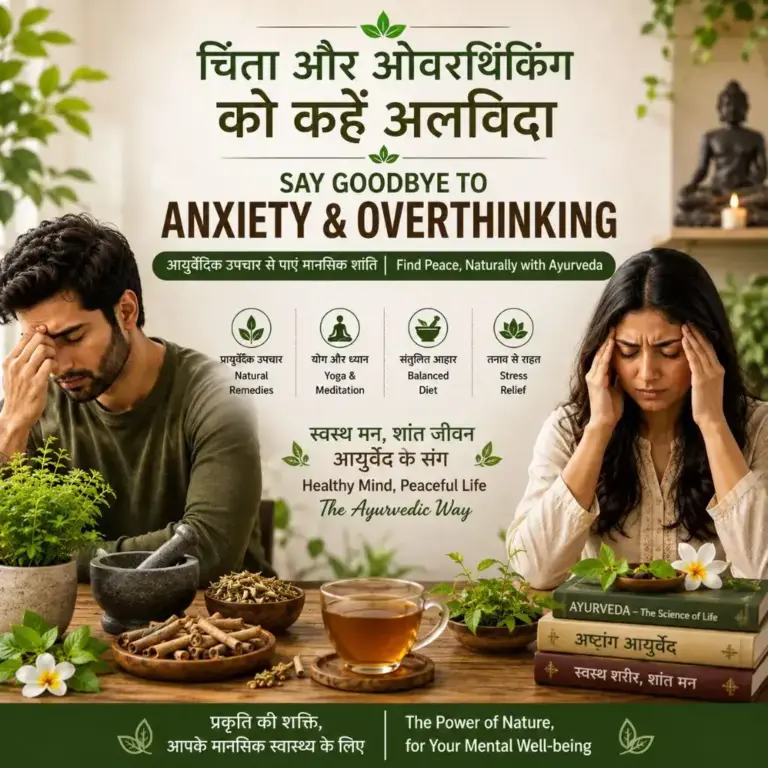
Ayurvedic Treatment for Anxiety and Overthinking
In today’s fast-moving world, anxiety and overthinking have become common problems affecting people of all age groups. Constant stress from work, family responsibilities, social pressure, financial concerns, and excessive screen time can disturb mental peace and emotional balance. Many people experience racing thoughts, fear about the future, difficulty sleeping, restlessness, lack of concentration, and emotional exhaustion. If ignored for a long time, anxiety may also affect physical health and daily life.
Ayurveda, the ancient Indian system of healing, believes that mental health is deeply connected with the balance of body, mind, and soul. Instead of only suppressing symptoms, Ayurvedic treatment focuses on identifying the root cause of anxiety and restoring natural harmony within the body. Through herbal remedies, diet, lifestyle correction, meditation, yoga, and detoxification therapies, Ayurveda offers a holistic and natural approach to calm the mind and reduce overthinking.
Understanding Anxiety in Ayurveda
According to Ayurveda, anxiety is mainly associated with an imbalance of Vata Dosha. Vata governs movement, nervous system functions, thoughts, emotions, and mental activity. When Vata becomes aggravated due to stress, irregular lifestyle, poor diet, excessive travel, lack of sleep, or emotional trauma, the mind becomes unstable and restless.
Common Signs of Aggravated Vata
- Excessive worrying
- Fear and nervousness
- Racing thoughts
- Dryness in the body
- Irregular sleep
- Fatigue
- Difficulty focusing
- Mood swings
- Restlessness
Ayurveda also explains that imbalance in Rajas Guna can contribute to mental agitation and overactivity of the mind. When the mind loses its natural calmness, negative thoughts and emotional instability increase.
Common Causes of Anxiety and Overthinking
Modern lifestyle habits often contribute to mental stress and anxiety. Some major causes include:
1. Lack of Proper Sleep
Insufficient sleep disturbs brain function and increases mental irritability.
2. Excessive Screen Time
Continuous exposure to mobile phones, social media, and digital devices overstimulates the nervous system.
3. Poor Eating Habits
Irregular meals, processed foods, caffeine, and excessive spicy foods can aggravate Vata and Pitta dosha.
4. Emotional Stress
Relationship issues, work pressure, financial problems, and emotional trauma can trigger anxiety symptoms.
5. Sedentary Lifestyle
Lack of physical activity reduces mental relaxation and affects emotional health.
6. Hormonal Imbalance
Hormonal changes may influence mood swings, nervousness, and mental instability.
Symptoms of Anxiety and Overthinking
Symptoms may vary from person to person, but common signs include:
- Constant worrying
- Negative thinking
- Panic or fear
- Fast heartbeat
- Difficulty relaxing
- Irritability
- Lack of concentration
- Sleep disturbances
- Muscle tension
- Digestive discomfort
- Social withdrawal
- Feeling mentally exhausted
Ayurveda aims to reduce these symptoms naturally while improving emotional resilience and mental clarity.
Ayurvedic Treatment for Anxiety and Overthinking
Ayurvedic treatment combines herbal medicines, therapies, lifestyle modifications, and mind-calming practices to support mental wellness.
Best Ayurvedic Herbs for Anxiety
Ashwagandha
Ashwagandha is one of the most powerful Ayurvedic adaptogenic herbs. It helps the body cope with stress, reduces cortisol levels, improves sleep quality, and supports nervous system health.
Benefits
- Reduces stress and anxiety
- Improves energy levels
- Enhances sleep
- Supports emotional balance
Brahmi
Brahmi is widely used in Ayurveda for improving brain function and calming the mind.
Benefits
- Enhances memory and concentration
- Reduces mental fatigue
- Calms excessive thoughts
- Supports emotional stability
Jatamansi
Jatamansi is known for its relaxing and grounding effects on the nervous system.
Benefits
- Promotes restful sleep
- Reduces irritability
- Helps manage stress naturally
Shankhpushpi
This herb is commonly used for mental relaxation and cognitive support.
Benefits
- Helps reduce nervousness
- Improves focus
- Supports mental calmness
Tulsi
Tulsi, also known as Holy Basil, supports emotional wellness and helps the body adapt to stress.
Benefits
- Reduces mental fatigue
- Supports immunity
- Promotes relaxation
Ayurvedic Therapies for Mental Relaxation
Abhyanga (Ayurvedic Oil Massage)
Warm herbal oil massage helps calm the nervous system and reduce Vata imbalance.
Benefits Include
- Better sleep
- Reduced stress
- Relaxed muscles
- Improved circulation
Sesame oil and medicated oils are commonly used for relaxation therapies.
Shirodhara
Shirodhara is a traditional Ayurvedic therapy where warm herbal oil is poured continuously over the forehead.
Benefits
- Deep mental relaxation
- Improved sleep
- Reduced anxiety
- Better emotional balance
This therapy is highly beneficial for people suffering from chronic stress and overthinking.
Nasya Therapy
Nasya involves administering herbal oils through the nasal passages to support brain and nervous system health.
Benefits
- Clears mental fog
- Improves concentration
- Calms the mind
Ayurvedic Diet for Anxiety Relief
Diet plays an important role in balancing the mind and nervous system.
Foods to Include
- Warm cooked meals
- Ghee in moderation
- Herbal teas
- Fresh fruits
- Soaked almonds
- Whole grains
- Milk with turmeric or nutmeg
- Green vegetables
Foods to Avoid
- Excess caffeine
- Processed foods
- Cold beverages
- Refined sugar
- Junk food
- Excess spicy foods
- Alcohol and smoking
Warm, nourishing, and easily digestible foods help stabilize Vata and promote emotional calmness.
Yoga and Meditation for Anxiety
Ayurveda recommends combining physical movement with breathing exercises and meditation for better mental health.
Helpful Yoga Poses
- Child’s Pose
- Balasana
- Sukhasana
- Forward Bend
- Legs-Up-The-Wall Pose
Pranayama Techniques
- Anulom Vilom
- Bhramari
- Deep Belly Breathing
- Nadi Shodhana
These breathing techniques help relax the nervous system and improve oxygen flow to the brain.
Meditation
Daily meditation helps slow down racing thoughts and improves emotional awareness. Even 10 to 15 minutes of mindfulness meditation can bring noticeable mental calmness.
Daily Lifestyle Tips to Reduce Overthinking
Maintain a Fixed Routine
A regular daily schedule helps balance Vata dosha and stabilize the mind.
Sleep on Time
Proper sleep is essential for emotional recovery and nervous system repair.
Spend Time in Nature
Walking in greenery or spending time outdoors naturally reduces stress hormones.
Limit Negative Content
Avoid excessive social media use and negative news consumption.
Practice Gratitude
Writing positive thoughts or maintaining a gratitude journal may improve emotional wellbeing.
Stay Connected
Talking with supportive friends and family members can reduce emotional burden.
Importance of Mental Detox in Ayurveda
Ayurveda emphasizes not only physical detoxification but also mental cleansing. Constant exposure to stress, negativity, and emotional overload can disturb mental clarity.
Simple Mental Detox Practices Include
- Digital detox
- Meditation
- Reading spiritual literature
- Spending time in silence
- Listening to calming music
- Practicing self-awareness
These practices help create emotional balance and inner peace.
Can Ayurveda Completely Cure Anxiety?
Ayurveda focuses on long-term mental wellness rather than temporary symptom suppression. Many people experience significant improvement through consistent Ayurvedic treatment, healthy lifestyle changes, yoga, and stress management techniques.
However, severe anxiety disorders may require professional medical guidance and psychological support. Ayurveda can work as a complementary approach alongside medical treatment under expert supervision.
About the Doctor

Dr. Dinesh Kumar is a qualified Ayurvedic doctor with 15+ years of experience in Panchakarma and holistic treatment. He specializes in treating fatty liver, digestive disorders, and lifestyle diseases using natural Ayurvedic methods.
Clinic: Devkalp Ayurveda
Website:
www.devkalpayurveda.com
YouTube:
Online Practical Tutorial
Conclusion
Anxiety and overthinking can deeply affect mental and physical wellbeing if left unmanaged. Ayurveda offers a natural and holistic path toward emotional balance by addressing the root causes of stress and nervous system imbalance. Through calming herbs, nourishing diet, meditation, yoga, detoxification therapies, and healthy lifestyle habits, Ayurveda helps restore peace, clarity, and emotional stability.
Small daily changes combined with Ayurvedic wisdom can make a significant difference in managing stress naturally. Prioritizing mental wellness, maintaining balance in daily life, and practicing self-care are essential steps toward a calmer and healthier mind.
FAQs
1. What is the best Ayurvedic treatment for anxiety?
Ayurvedic treatment for anxiety usually includes herbs like Ashwagandha, Brahmi, Jatamansi, meditation, yoga, balanced diet, and stress-reducing therapies such as Shirodhara.
2. Which dosha is responsible for anxiety in Ayurveda?
Anxiety is mainly linked to aggravated Vata Dosha, which affects the nervous system and mental stability.
3. Can Ayurveda help with overthinking naturally?
Yes, Ayurveda helps calm excessive thoughts through herbal remedies, meditation, lifestyle correction, and mind-relaxing therapies.
4. Is Ashwagandha good for stress and anxiety?
Ashwagandha is widely used in Ayurveda to reduce stress, improve sleep, and support emotional balance naturally.
5. What foods should be avoided during anxiety?
Processed foods, caffeine, refined sugar, cold drinks, excessive spicy foods, alcohol, and junk food should be limited.
6. Which Ayurvedic therapy is best for mental relaxation?
Shirodhara and Abhyanga are considered highly beneficial Ayurvedic therapies for calming the nervous system and reducing stress.
7. Can yoga help reduce anxiety naturally?
Yes, yoga and pranayama help relax the mind, improve breathing, reduce stress hormones, and promote emotional balance.
8. Is meditation useful for overthinking?
Daily meditation helps calm racing thoughts, improve focus, and reduce emotional stress.
9. How long does Ayurvedic treatment for anxiety take?
Results vary depending on individual health conditions, lifestyle, and severity of symptoms. Consistency is important for long-term benefits.
10. Are Ayurvedic herbs safe for anxiety?
When used under professional guidance, Ayurvedic herbs are generally considered safe and beneficial for mental wellness.